
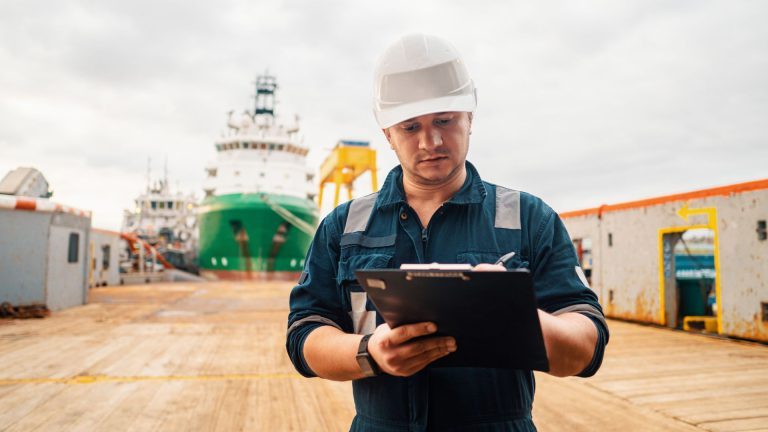
The burden of maritime data collection and onboard reporting is increasing. Crews are spending so much time on data reporting, impacting their other responsibilities
The reality at sea: increased seafarer workload
Allianz Global Corporate & Specialty’s recently published 2022 Safety and Shipping Review made the risks associated with seafarer workload. The report notes that while demand for the crew is high, many skilled and experienced seafarers are leaving the industry. Morale is low due to commercial pressures, compliance duties, and onboard reporting workloads for those who remain.
Crews stuck in heavily pressurized working environments are more at risk of making mistakes. AGCS data shows that 75% of shipping incidents involve human error. The transition to alternative fuels will likely bring a heightened risk of machinery breakdowns.
Seafarers are reporting on these issues in the latest Seafarers Happiness Index (Quarter 1 2022). One seafarer said: “The workload is getting increasingly high with minimum crews on board. Rest hours are only complied with on paper, yet none of the authorities pays heed. Shipping has become a floating jail where you’re just expected to work endlessly like robots without questioning the work scenario.”
Others voiced concern that captains are becoming “office workers”. Maintenance schedules are harder to follow, and dealing with problems is even more challenging.
What’s going wrong with onboard reporting, and how to improve maritime digitalization?
New technologies can help ease the task of collecting and reporting data. Why then are digital projects failing to deliver on this objective? The reality is that digital tools are only one part of the solution. New technologies can help reduce the time crew members input data onboard, but if all stakeholders don’t agree on which data should be collected and assessed, new reports will keep being created, and existing ones will not disappear.
The greatest challenge is for organizations to understand what data they need to collect. And most importantly, how they will exploit its potential. Stakeholders need to reach a consensus on what data is needed and which key performance indicators (KPIs) they should use, rather than just insisting that data is collected to support their own KPIs in isolation from others.
The difficulty in achieving this is a consequence of the size and complexity of shipping organizations and the maritime industry’s digital ecosystem. There’s often a lack of strategic planning and coordination in digitalization projects. While companies may not be struggling to digitize the reporting, they are not ensuring data exploitation and workloads reduction optimization.
The reality of onboard reporting
For example, it’s extremely common to see Onboard reporting from maritime systems, including Vessel Monitoring Systems, fed into a database and then largely forgotten. Gathering data for compliance purposes also represents an opportunity for improving safety or operational efficiency. Analysis of multiple events of a similar nature can reveal recurring issues or operational trends. Once identifying those trends, companies can take particular actions to prevent recurrence or better prepare crews for future occurrences. In the longer term, data-driven insights may highlight the need for structural changes on newbuilds or inform decisions on new fuels and the energy transition.
Maritime digital projects depend highly on the human element
As data takes a more prominent role in shipping operations, the human element remains fundamental, driving the development and implementation of digital solutions. Captains, charterers, and shipowners should be front and center.
Digitalization is also the first step towards automation, with the potential to help reduce the risk of human errors as well as operational costs. In maritime, where we have teams working long hours at sea, digitalization can help optimize their tasks and improve their work quality and welfare onboard. However, companies need to take into consideration this digitalization at every level of the organization before crews can feel the benefits.
For example, an excellent way to optimize engine behavior and utilization are by collecting and analyzing data and bringing in human expertise and experience. In a perfect world, captains could quickly boost the efficiency of their voyages by switching off engines or changing power configurations in response to relatively minor changes in weather or operational conditions. However, this is not the reality for the crews.
Conclusion
To be successful in digitalization, we need people to talk about the realities on the ground and create a genuine dialogue. Companies can’t overstate the importance of user experience. Investment in software design ensures that all users feel comfortable with the role they play and the goals they work to achieve.
Ultimately, digital transformations are more about culture change than technology. Digitalizing an organization requires, above all else, a big-picture view of how technology supports human expertise and how teams work together, ashore and at sea.