
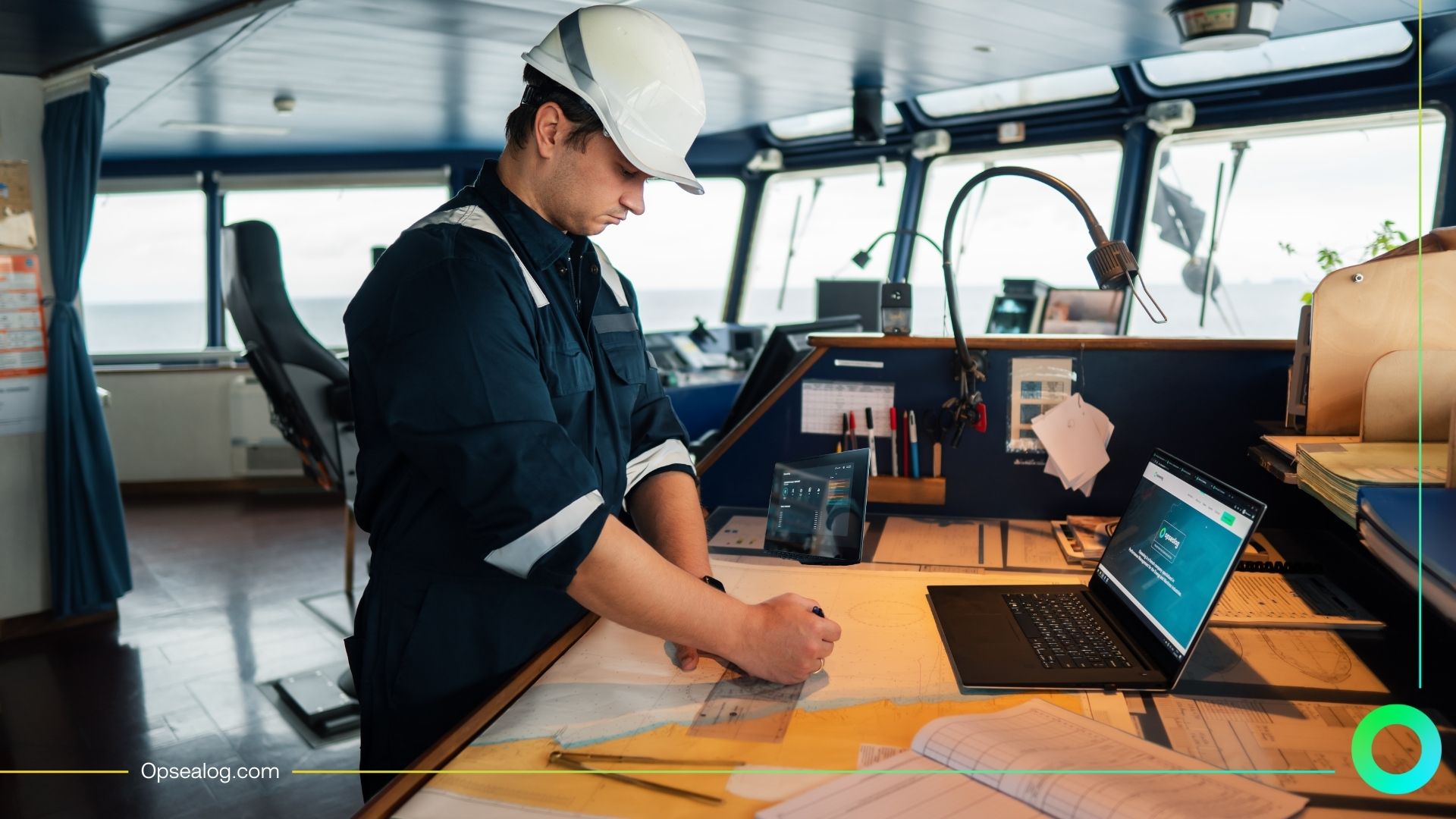
The success of any digital initiative at sea or in maritime operations doesn’t depend on the technology — it depends on the people using it. Crews already balance tight schedules, heavy reporting, and demanding operational requirements. A new dashboard or reporting system may look simple on paper, but without proper onboarding, it risks being perceived as extra work.
Successful digital transformation requires a dedicated approach to onboarding. It is about aligning technology with daily life at sea, respecting crews’ expertise, and helping them see how digital tools make their work easier. Here are four proven steps that help offshore operators turn digital initiatives into real onboard adoption.
Step 1: Involve crews early in the process
The strongest adoption begins long before rollout. Crews should not just be informed that a system is coming; they should be involved in shaping it. Captains, officers, and experienced crew members can provide critical feedback on usability, reporting formats, and workflows that shore teams might overlook.
By giving crews a seat at the table from the start, operators reduce the perception that digitalization is imposed from above. Instead, it becomes a joint project where crews feel invested. This early involvement also helps identify potential resistance points before they turn into operational challenges.
Step 2: Translate technology into operational value
For seafarers, the real question is simple: what does this change in my daily work? It is not enough to describe dashboards or metrics. Crews need to see direct impact on their routines, whether that means less manual reporting, clearer compliance documentation, or improved safety awareness.
Practical examples resonate. Showing a chief engineer that the tool helps reconcile engine hours more quickly is more persuasive, and explaining to a master that the system highlights fuel savings during transit or standby makes the benefit tangible.
At Opsealog, we have seen that change management drives efficiency and sustainability. One offshore client achieved remarkable results through targeted training and onboard support:
- On one PSV, reduced speed led to a 40 percent drop in average L/nm consumption during transit and 34 percent less fuel per hour during standby. That single vessel saved 35.85 m³ of fuel in one month.
- On an AHTS, more disciplined engine use cuts fuel per hour in port by 16 percent and standby consumption by 23.59 percent, saving 30 m³ in one month.
Across both vessels, more than 65 m³ of fuel was saved in a single month, equal to about USD 39,000. These results were achieved not from software alone, but from empowered crews applying data-driven practices
Step 3: Provide hands-on training, not just manuals
Training is where adoption either accelerates or stalls. Written instructions and PDF manuals are rarely enough, especially given the range of digital literacy among crews. Hands-on training, onboard sessions, and interactive demonstrations ensure that everyone feels confident using the tool. Some regions have complex connectivity issues that must be handled accordingly.
Support should not end once the rollout is complete. Remote sessions, refresher modules, and regular check-ins build lasting confidence. The more familiar the tool becomes in practice, the more naturally it integrates into daily operations. Opsealog supports crews through hands-on onboarding, remote sessions, and refresher training — ensuring every user gains confidence, regardless of digital literacy or connectivity challenges
Step 4: Maintain feedback loops and celebrate quick wins
Onboarding is not a one-time event. Crews need opportunities to raise issues, suggest improvements, and feel that their input matters. Feedback loops make the system better while reinforcing trust.
Equally important are quick wins. When crews see tangible results such as clear fuel savings, adoption accelerates. Celebrating those wins builds momentum, motivating crews to continue engaging with the solution.
At Opsealog, we can track vessels’ progress in applying best practices, accounting for their operational context. This visibility allows us to recognize crews who are continuously improving and to celebrate those achievements. Acknowledging success motivates teams and anchors long-term good practices.
Closing thoughts
Digitalization should always be about equipping crews with solutions that help them make better decisions, simplify reporting, and operate vessels more efficiently. The challenge lies in turning good technology into something genuinely useful at sea.
At Opsealog, we combine technical expertise with deep operational knowledge to ensure digital solutions are truly adopted. By focusing on structured onboarding and crew engagement, we help turn digital transformation into measurable results across fleets and regions.